
educational
Ant Infestation in Beehives


Introduction
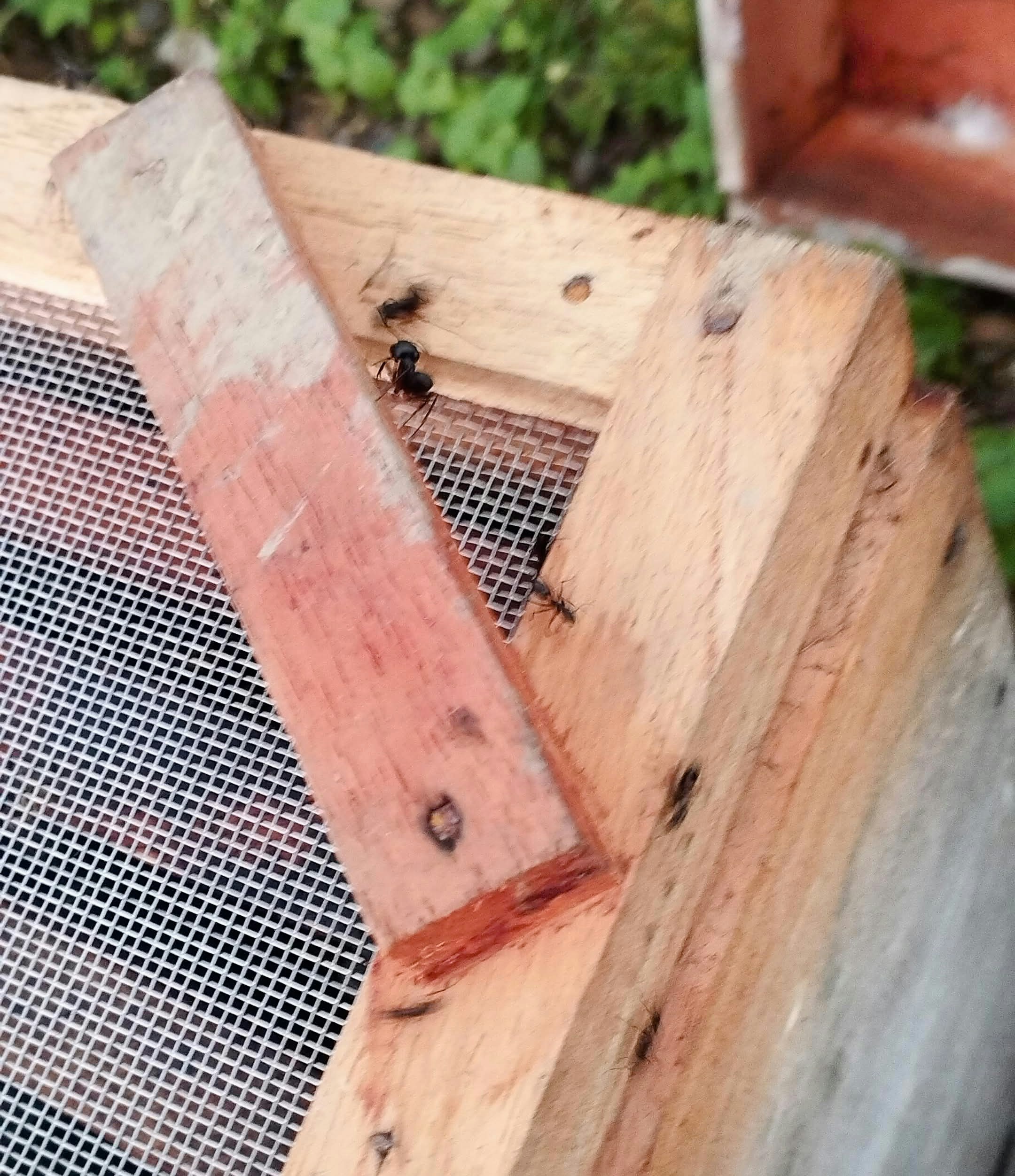
The honey bee colony is not immune to predation, and it can take a variety of forms, from destruction of a comb to physical dismembering of a colony (Sanford, 1987). Ants are among the most common predators of honey bees, and they are highly social insects that attack the hives in mass, taking virtually everything in them, dead or alive adult bees, the brood, and honey(Sarwar, 2016). In response, beekeepers often resort to chemical pesticides such as "ant chalk" containing deltamethrin and cypermethrin, synthetic pyrethroids toxic to both target and non-target insects, including bees.
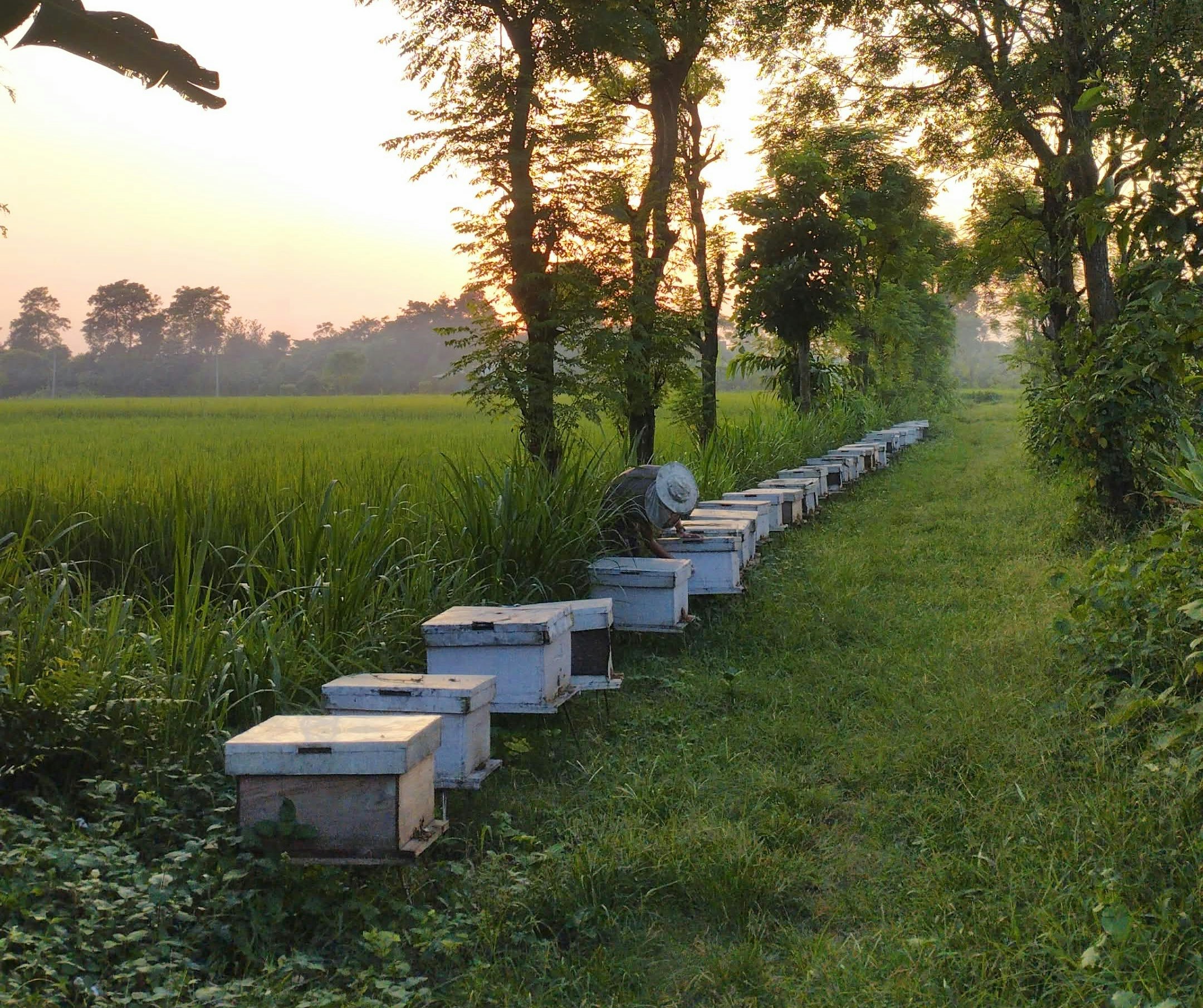
During a visit to neighborhood, I observed an ant infestation affecting 5 out of 20 Apis mellifera hives. The beekeeper reported recurring ant problems despite the application of ant chalk. This prompted an investigation into whether vegetable oil could serve as a non-toxic physical barrier.
Materials and Methods
Study Site and Hives
Location: Local apiary, Ratnanagar, Bagmati Province, Nepal
Number of hives: 20 total; 5 infested (3 moderate, 2 heavy infestation)
Hive type: Newton type beehive on a metal rod stand
Treatment Protocol
Pre-treatment: Ants inside the hives were manually removed prior to oil barrier placement.
Barrier installation: Plastic bowls filled with mustard oil were placed under each leg of the hive stands of the five infested hives.
Observation period: Daily monitoring for 7 days post-treatment.
Assessment Criteria
Presence/absence of ants on hive stands and inside hives
Number of ants observed after treatment
Result


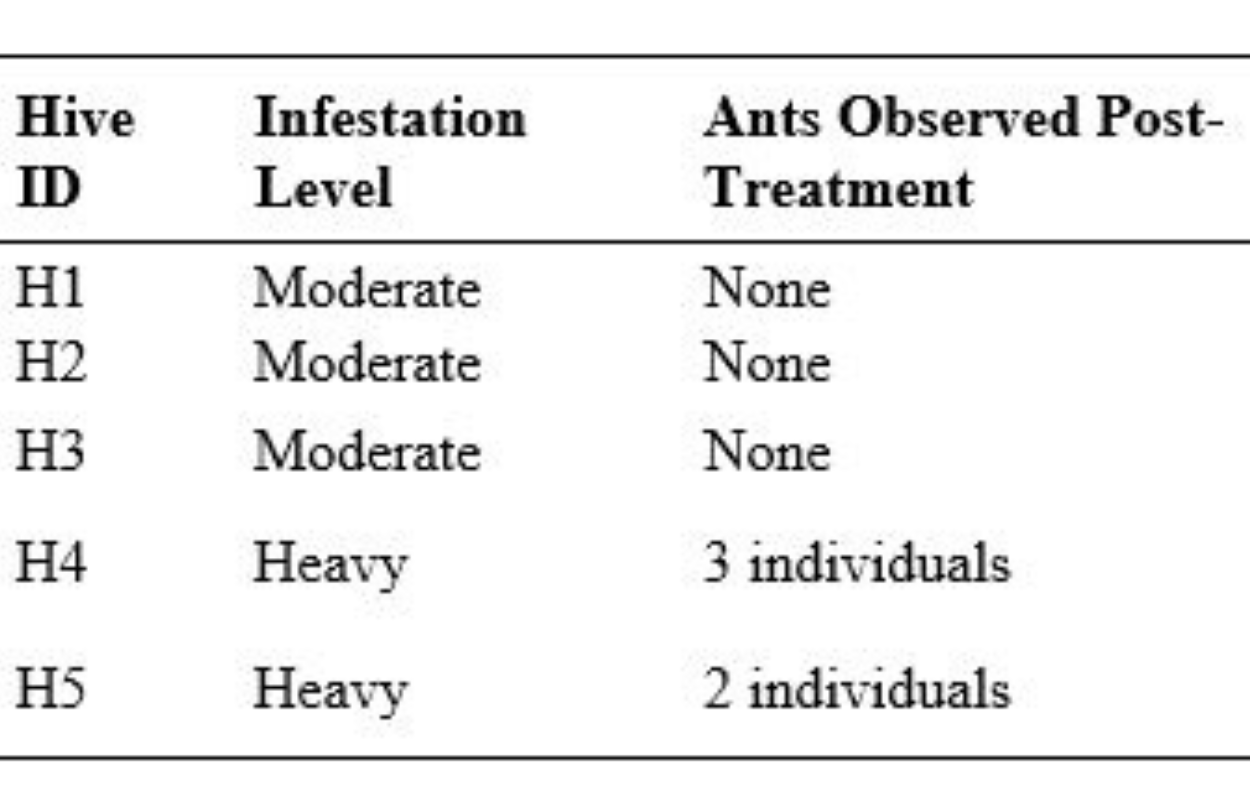
The oil barrier completely prevented ant reinfestation in all three moderately infested hives. In the two heavily infested hives, a small number of ants persisted inside the hive structure but were unable to recruit additional from outside. These were removed manually during the inspections.
Discussion
Mustard oil acts as a physical barrier that ants cannot cross. The oil's viscosity prevents ants from traversing the surface, effectively isolating the hive from ground-based invasion routes. To minimize ant’s problem place single colonies on stands with the legs in containers of oil (Sarwar, 2016). Unlike chemical repellents, this method does not rely on toxicity and poses no risk to honey bees or hive products.
People rely on commercially available ant repellents, which are toxic (Hebbar, Hebbar, & Patwardhan, 2015). Synthetic pyrethroids used in ant chalk are neurotoxic and can have sublethal effects on honey bees, including impaired foraging behavior and learning ability. The mustard oil barrier eliminates these risks while providing comparable or superior protection when properly maintained.
Limitations and Considerations
Heavy infestations require initial manual cleaning before barrier effectiveness is maximized.
Oil barriers require periodic maintenance (refilling/cleaning) to remain effective.
The method does not address flying ant species, though these are less common pests in this region.
Weather conditions (rain, wind) may affect oil level and require adjustment.


Practical Implications
This approach is particularly suitable for small-scale and resource-limited beekeepers. Mustard oil is readily available, inexpensive, and culturally familiar in Nepal. The method requires no specialized equipment and can be implemented immediately.
Conclusion
Mustard oil barriers represent a practical, non-toxic alternative to chemical ant control in honey bee apiaries. This trial demonstrated effective protection against ant infestation in moderately affected hives, with heavily infested hives requiring supplementary manual intervention. The method aligns with sustainable beekeeping principles and integrated pest management strategies.