Riju Kattel
CV
Cattle grazing on a bare field below a line of trees

01The Landscape

Understanding agriculture. Investigating change. Supporting resilient communities.

Agricultural science graduate from Tribhuvan University, with hands-on experience working with farmers and in field research in Nepal. Research interests: climate adaptation, pollinators and pesticide governance, and how farmers respond to change.

02The Questions

Questions rooted in the land.

Five threads run through the studies, training and fieldwork. Choose one to see the work behind it.

Research themes

03The Field

Research that begins with farmers.

Alongside the studies: training farmers on new tools, running the family farm, and organising young volunteers.

  1. Jan – Apr 2024Ratnanagar and Lamahi

    Field facilitator intern

    GeoKrishi Initiative

    • Helped 100 farmers adopt the GeoKrishi platform with targeted technical guidance and hands-on support.
    • Led training sessions in two municipalities, making sustainable farming technologies easier to use.
    • Collected and analysed field data on how farmers use the technology.
  2. 2023 – presentRatnanagar, Chitwan

    Farm manager

    RS-Agro Farm (family farm)

    • Secured an irrigation subsidy of about US$7,460 covering 3.35 hectares of family and neighbouring land.
    • Runs daily operations: labour, soil maintenance and sustainable crop production.
    • Manages the supply chain from harvest to direct sales and negotiation with local vendors.
  3. Jan 2024 – Feb 2025Lamahi, Dang

    Coordinator

    Lamahi Youth Network, Amnesty International Nepal

    • Led a group of 40 youth volunteers.
    • Organised and ran sessions on climate change and human rights for students in 12 schools.
    • Handled planning, budget and reporting, working with municipal officials.
  4. Jan 2024Gabar Rural Municipality, Banke

    Participatory Rural Appraisal

    Semester fieldwork

    • A participatory rural appraisal (PRA) carried out as a semester project.
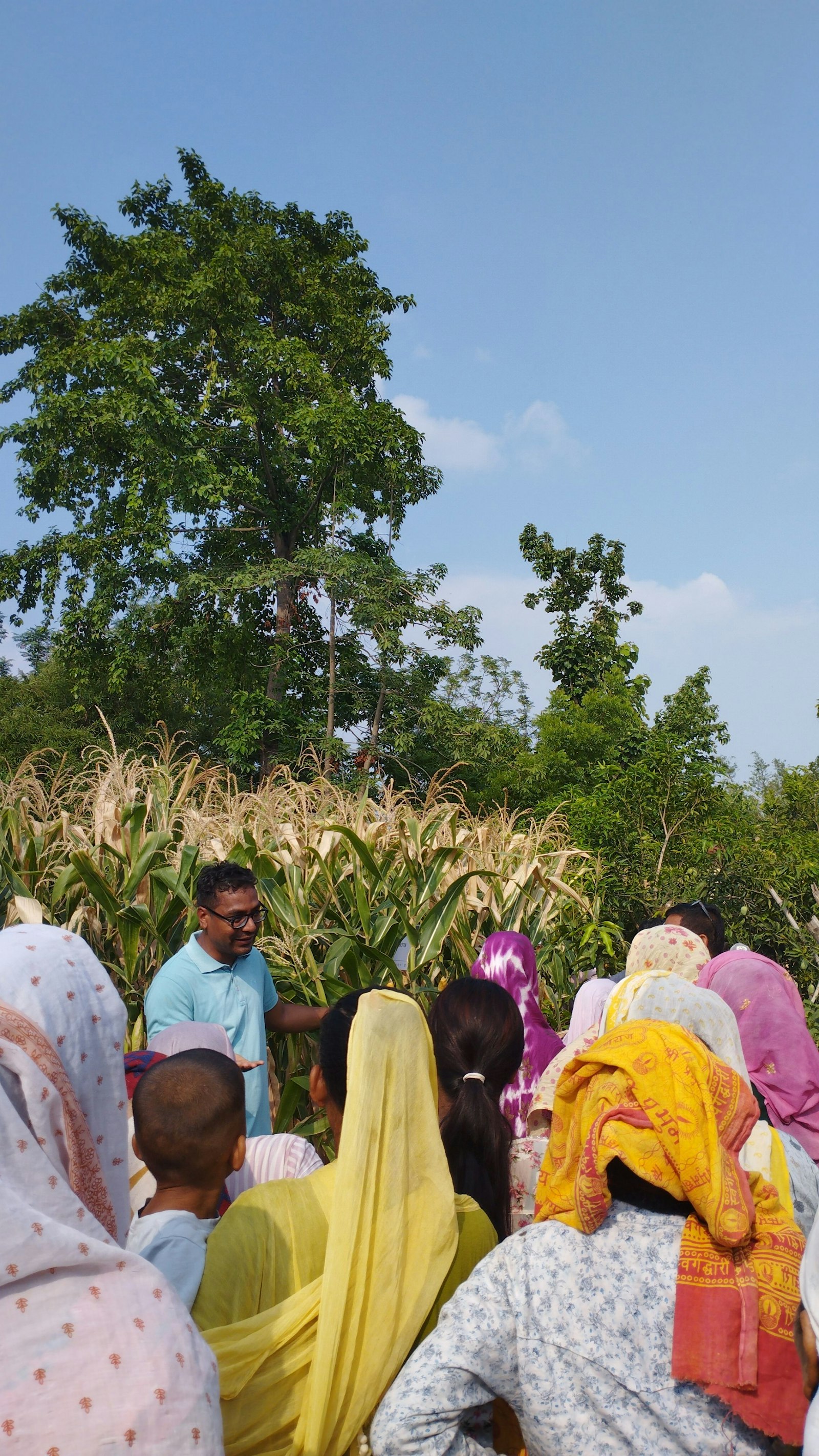
People seated outdoors for a farmers’ day gathering
A farmers’ day gathering
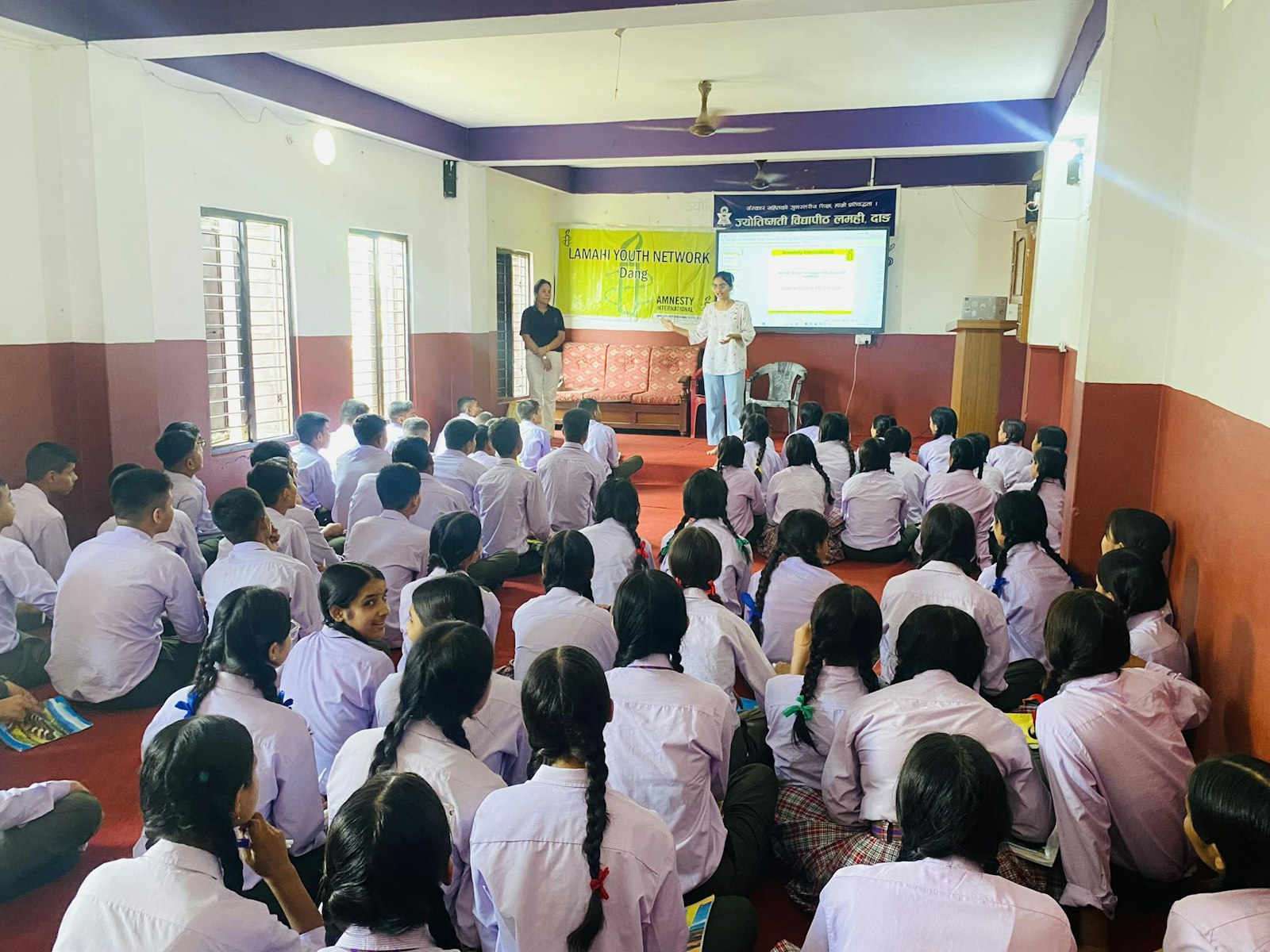
Students in white uniforms seated in a school hall during a session
A session in a school hall
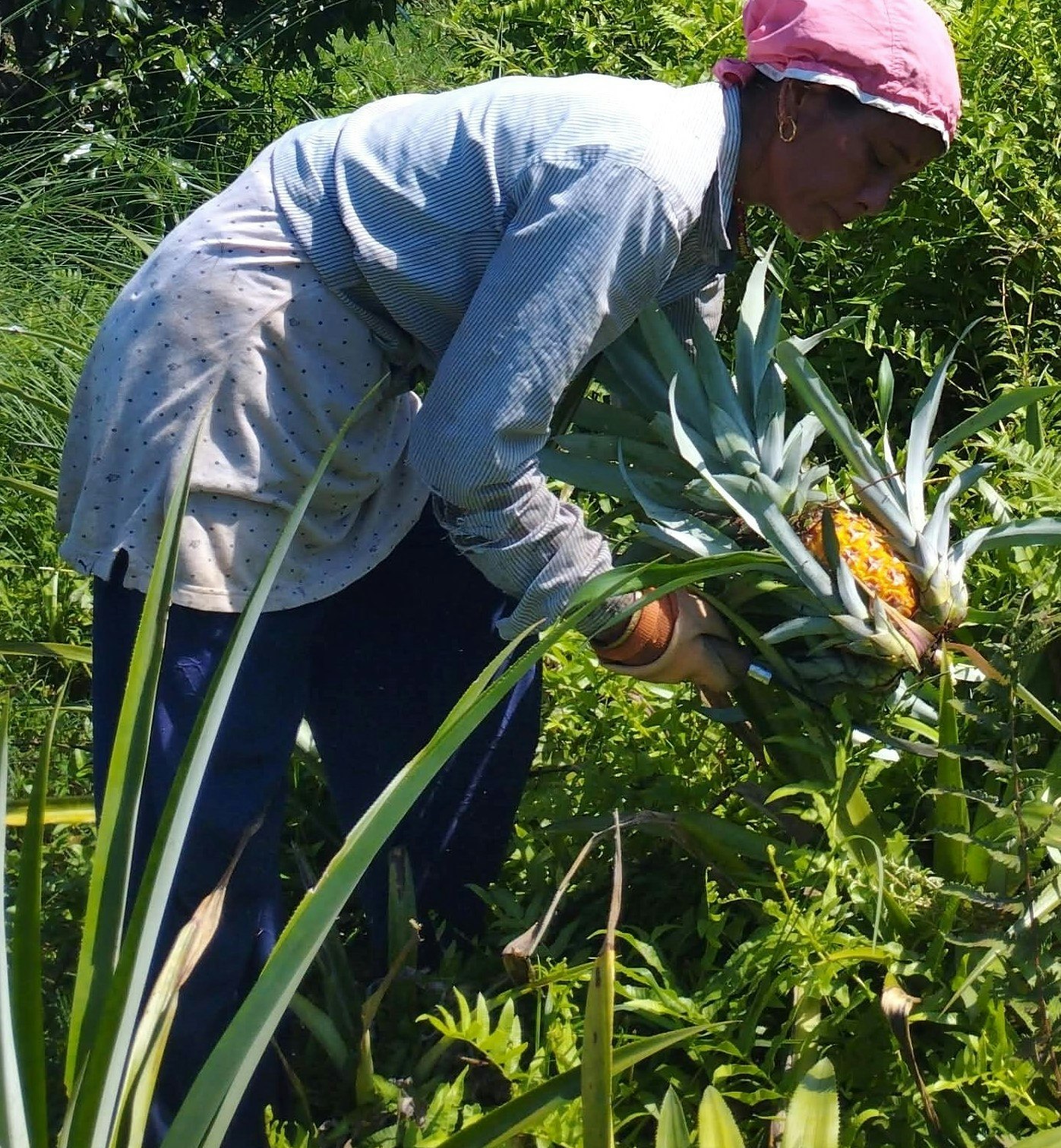
A farmer bending to harvest pineapples among the plants
Pineapple harvest

04The Evidence

What the studies found.

Four studies, from a B.Sc. thesis on aromatic rice to a 100-household survey of climate adaptation. Only reported findings appear here.

  1. Independent studyMarch–May 2025Gauradaha Municipality, Nepal

    Farmers’ Perceptions of Climate Change and Local Adaptation Strategies in Gauradaha Municipality

    A household survey of how farmers perceive climate change and which adaptation strategies they take up.

    Sample 100 households

    • 36% of households had no awareness of climate change, an education-driven knowledge gap.
    • 89% reported rising pests and diseases, yet adaptation uptake was 54%: a gap between recognised risk and actual response.
    More on the research
    Fig. 1 Recognised risk and adaptation, Gauradaha
    MeasureShare of respondents
    No awareness of climate change36%
    Report rising pests and diseases89%
    Took up adaptation measures54% · key finding
    Share of 100 surveyed households, Gauradaha Municipality, March–May 2025. Each bar is a separate survey measure. Source: Riju Kattel, independent study.
  2. Study2025Ratnanagar Municipality, Chitwan, Nepal

    Responses to Unseasonal Rainfall among Smallholder Rice Farmers in Ratnanagar Municipality

    How smallholder rice farmers responded to unseasonal rainfall, and what stood in the way.

    • Labour scarcity was identified as the primary cause of crop losses during unseasonal rainfall (reported as 40%; the measure is being confirmed).
    • National early-warning policy was not matched by local implementation, leaving structural barriers to farmer resilience unaddressed.
    More on the research
  3. B.Sc. thesisInstitute of Agriculture and Animal Science, Tribhuvan University

    Assessment of Diversity in Aromatic Rice Genotypes for Yield and Yield Attributes

    Diversity among aromatic rice genotypes, assessed on agro-morphological traits linked to yield.

    Methods

    • Agro-morphological characterisation of the genotypes
    • Principal component analysis (communalities)
    • Cluster analysis of genetic distance between clusters
    More on the research
  4. Survey5 January 2025Nepal (online)

    Consumer Preferences and Awareness of Indian Jujube (Baer)

    How do young consumers view Baer as imported exotic fruits become more available?

    Sample 35 respondents aged 21–25, online questionnaire

    • Every respondent knew Baer, but 43% eat it less often than before.
    • Only 30% were aware of its nutritional benefits, and 60% preferred exotic fruits.
    • 80% believe demand for Baer has declined over the years.
    More on the research
    Fig. 2 How young consumers see Baer
    MeasureShare of respondents
    Familiar with Baer100%
    See demand declining80%
    Prefer exotic fruits60%
    Eat it less than before43%
    Interested in Baer products40%
    Aware of its nutritional benefits30% · key finding
    Online questionnaire, 5 January 2025; n = 35 respondents aged 21–25. Percentages as reported in the study.

From the Journal

All Journal posts
  • jujube

    Educational4 min read

    A Survey on Jujube

    I have always been keen to learn about indigenous fruits and their present status in Nepal. To explore this interest, I conducted an online survey on…

  • ant

    Educational3 min read

    Ant Infestation in Beehives

    The honey bee colony is not immune to predation, and it can take a variety of forms, from destruction of a comb to physical dismembering of a colony…

  • fruit flies

    Lifestyle3 min read

    Tiny Fruit Flies – A Big Farming Lesson

    When we gave a sample to our regular buyer, his eyes lit up as he tasted the sweet, delicious guava fruit. He then immediately agreed to purchase our…

05The Next Question

Where the research goes next.

The next step is to build research skills in three directions that grow out of this work, through graduate study or research collaboration.

  1. 01

    Pollinators and pesticide governance

    How pesticide rules, and the way they are applied on farms, affect pollinators and the people who depend on them.

  2. 02

    Farmers’ perceptions of agricultural change

    Why recognising a risk does not always lead to adapting to it, a gap seen in the Gauradaha survey.

  3. 03

    Community resilience and participatory research

    Research shaped with farming communities, building on participatory appraisal and outreach in schools.