educational
A Survey On Jujube


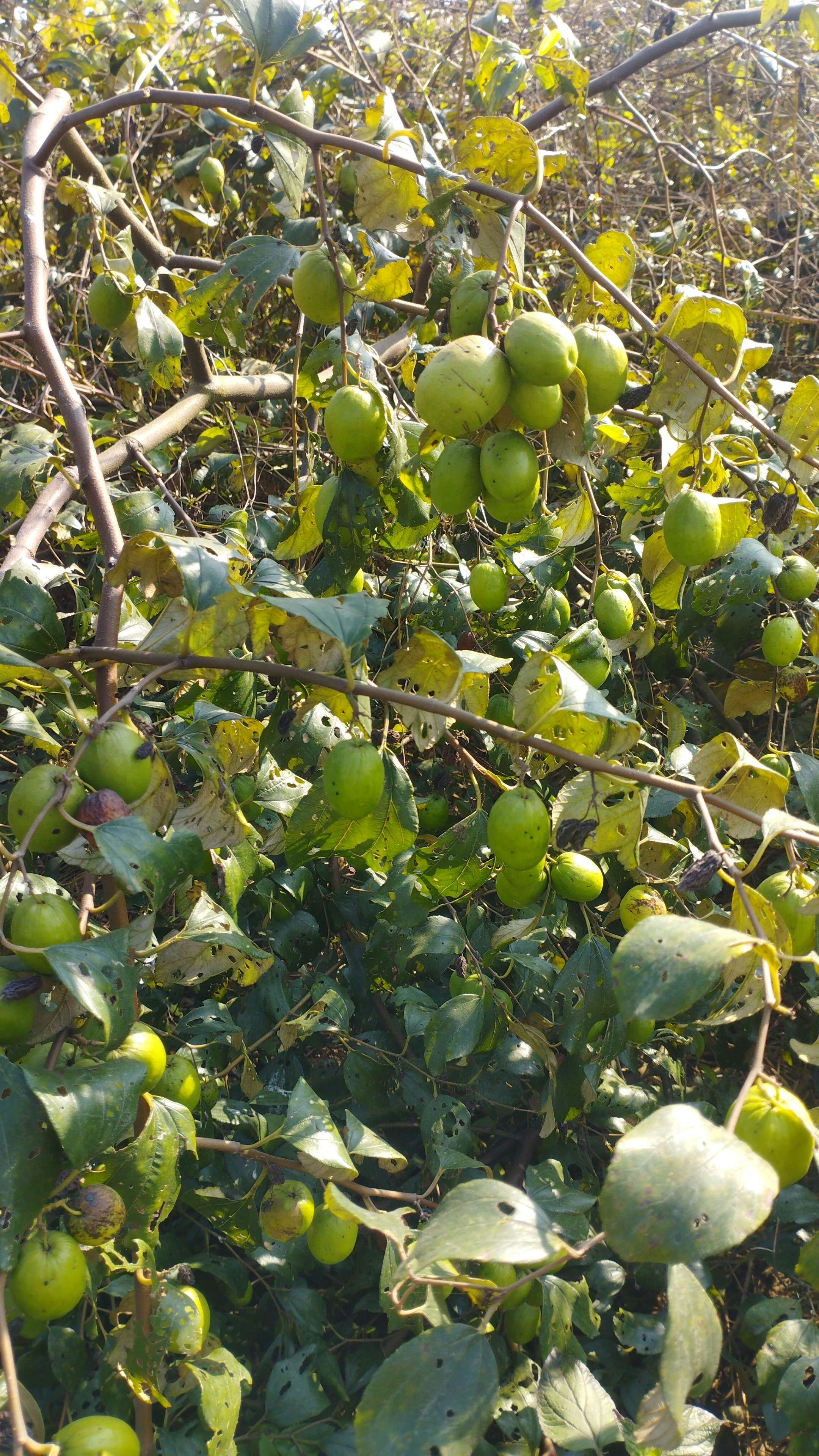
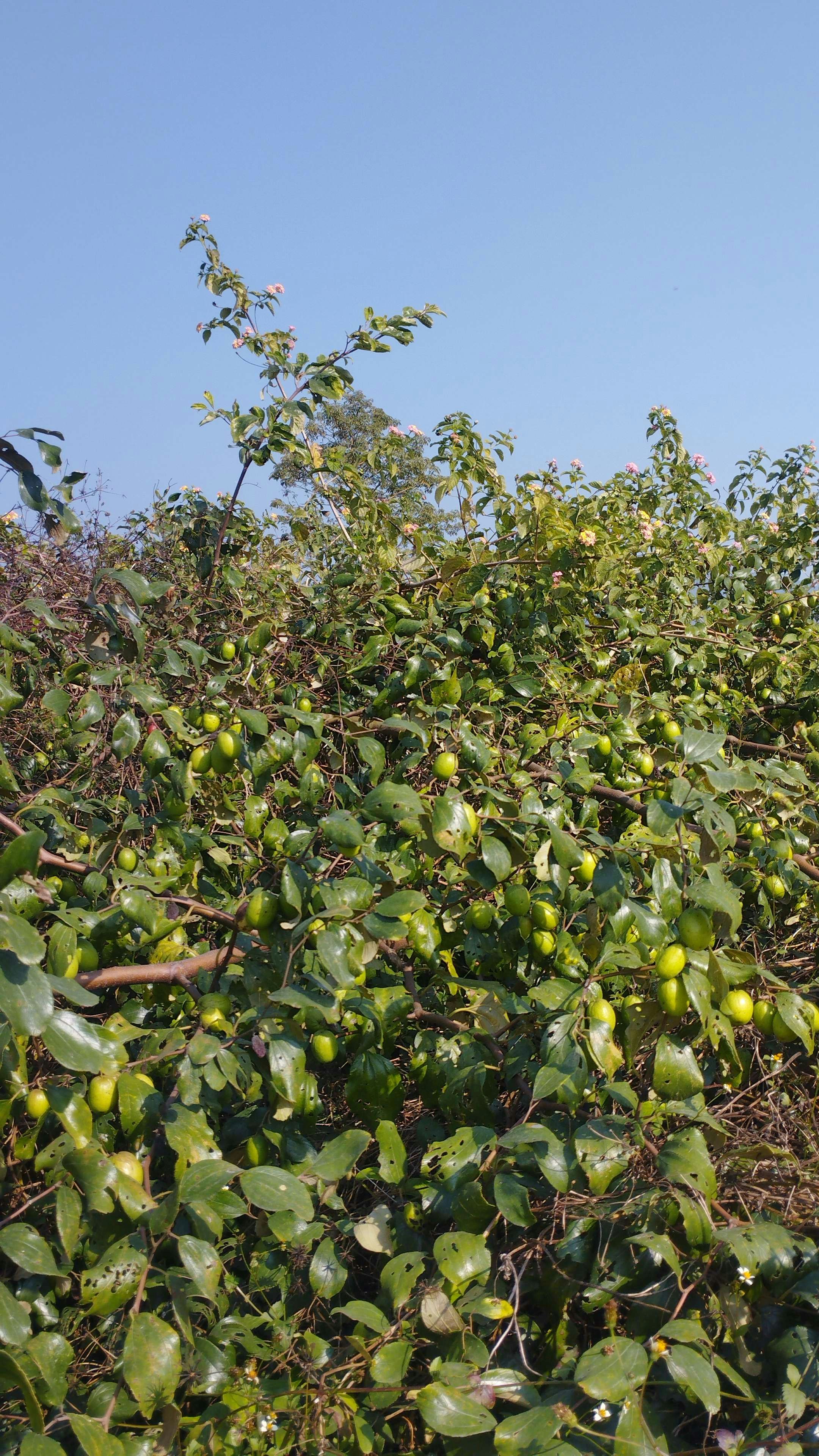
I have always been keen to learn about indigenous fruits and their present status in Nepal. To explore this interest, I conducted an online survey on January 5, 2025, to understand consumer preferences and awareness regarding the Jujube, locally known as 'Baer' in Nepal.
Baer is an indigenous fruit with significant cultural and nutritional value. Six species have been reported from Nepal (Bhattarai & Pathak, 2015). Despite its traditional importance, I wanted to understand how young consumers today view this fruit, especially in the context of the increasing availability of exotic imported fruits.
Survey Method
Data were collected from 35 respondents (aged 21-25) using an online questionnaire. The survey explored:
Frequency of consumption
Likes and dislikes about the fruit
Interest in Baer-based processed products (jams, juices, candies)
Awareness of nutritional benefits
Perceived market trends
Key Findings
100% of respondents were familiar with Baer
However, 43% consume it less often now than before
80% believe demand for Baer has declined over the years
· 60% of participants showed a preference for exotic fruits
· Only 30% of respondents were aware of Baer's nutritional benefits
· 40% expressed interest in Baer-based products
What the Data Reveals
1. While every respondent knows Baer, nearly half have reduced their consumption. This suggests the fruit is culturally recognized but not actively preferred in modern consumption patterns.
2. The 60% preference for exotic fruits highlights a significant competitive challenge.
3. The fact that only 30% know about Baer's nutritional value represents a missed opportunity. In an era where health-conscious eating is trending, Baer's nutritional profile should be its competitive advantage.
4. While 40% interest in processed products is encouraging, it's lower than the preference shift toward exotic fruits (60%). This suggests that simply creating processed products may not be enough; marketing and education will be crucial.
Challenges
1. Market Displacement
Traditional fruits are losing ground to exotic alternatives.
Young consumers are forming preferences away from indigenous options.
2. Poor Market Positioning
Limited awareness of health benefits
Lack of modern branding and packaging
3. Quality and Presentation Issues
Inconsistent sizing and appearance
Traditional marketing approaches are inadequate for the youth market
Opportunities for Revival
Nutritional Education – Reposition Baer as a superfood, emphasizing Vitamin C, antioxidants, and local production (only 30% currently aware)
Product Innovation – Develop juice, dried snacks, premium jams, and wellness products targeting the 40% interested in processed formats
Modern Marketing – Leverage social media, influencer partnerships, and cultural storytelling to reach young consumers
Quality Standardization – Implement grading systems and improve post-harvest handling for consistency
Conclusions
Baer is universally known but increasingly overlooked by young consumers who prefer exotic fruits. The declining consumption among youth (43% eating less) and perceived market decline (80%) suggest an indigenous fruit at risk of cultural and economic marginalization.
However, the data also reveals pathways forward. The complete awareness (100% recognition) provides a foundation to build upon. The challenge is not introducing Baer to consumers but making Baer relevant again.