
lifestyle
The Saplings My Grandmother Brought


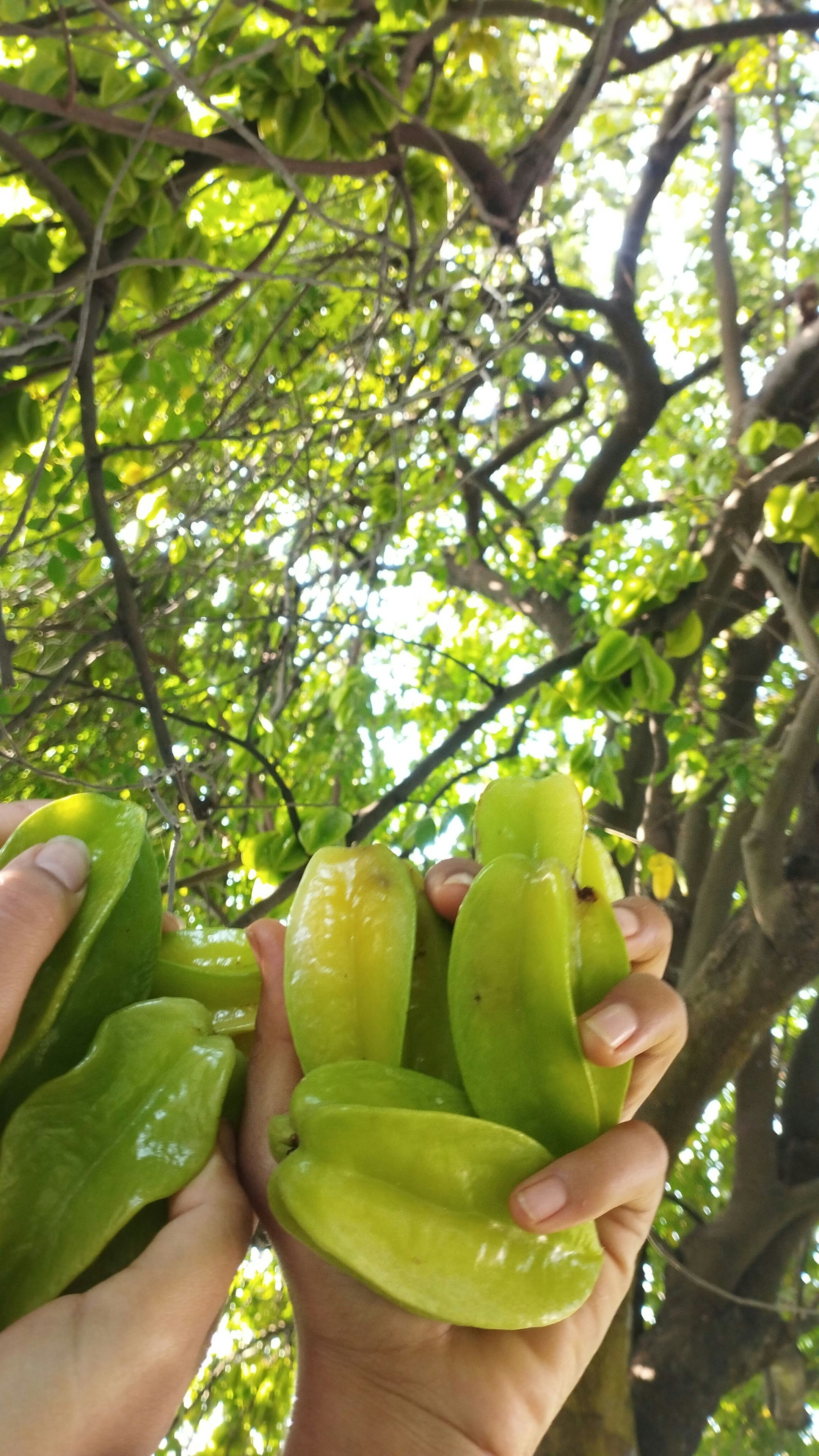
Around 15 years ago, my grandmother brought four starfruit saplings from Assam, India, with hopes of establishing this unique fruit. Unfortunately, three of the four saplings didn't survive, leaving us with just one precious tree. Little did we know that this single survivor would become a cornerstone of our fruit production.
According to my grandmother, the starfruit tree began flowering and fruiting after four years of careful nurturing. Today, this same plant continues to reward our patience, providing us with two harvests annually. The consistency of this tree has been remarkable season after season; it delivers almost 1 quintal of quality starfruits per season. We sell at NPR 5 per piece in the local market.
For over a decade, this solitary tree has been our family's connection to this distinctive fruit, serving both as a source of income and a reminder of my grandmother's foresight in bringing these saplings from Assam.


The Challenge
Over the years, various family members and relatives attempted to propagate new plants from our productive starfruit tree. Despite numerous attempts using seeds from our own harvest, everyone faced the same disappointing result. The seeds simply would not germinate.
This pattern of failed attempts became almost legendary in our family. The single tree continued to thrive and produce, but expanding our starfruit cultivation seemed impossible. The seeds appeared viable, the methods seemed sound, yet germination remained a mystery.
Breaking the 15-Year Cycle
This year, I decided to take on the challenge that had defeated so many before me. Armed with knowledge from my undergraduate degree in agriculture, I approached the germination process. Understanding seed dormancy, proper preparation techniques, and optimal germination conditions made all the difference.
I'm thrilled to mention that my efforts were successful. Out of 10 seeds planted, I managed to germinate 4 healthy saplings. After 15 years of failed attempts by family members, we finally have new starfruit plants growing alongside our original tree.
Looking Toward the Future
If these saplings follow the pattern of their parent tree, we can expect them to begin flowering and fruiting in about four years. The prospect of having multiple starfruit trees producing twice annually is exciting both economically and personally. What started as one surviving sapling from Assam may soon become a small starfruit orchard.
As I tend to these four new saplings, I'm reminded of my grandmother's original hope when she brought those four saplings from Assam all those years ago. Though only one survived initially, it has now given birth to four more, ensuring that her agricultural legacy will continue for generations.